
$4,000,000
Calacali, Quito, Pichincha
Land for sale in Quito, Calacali, 145452 ha
Calacali, Quito, Pichincha
$4,000,000
Description
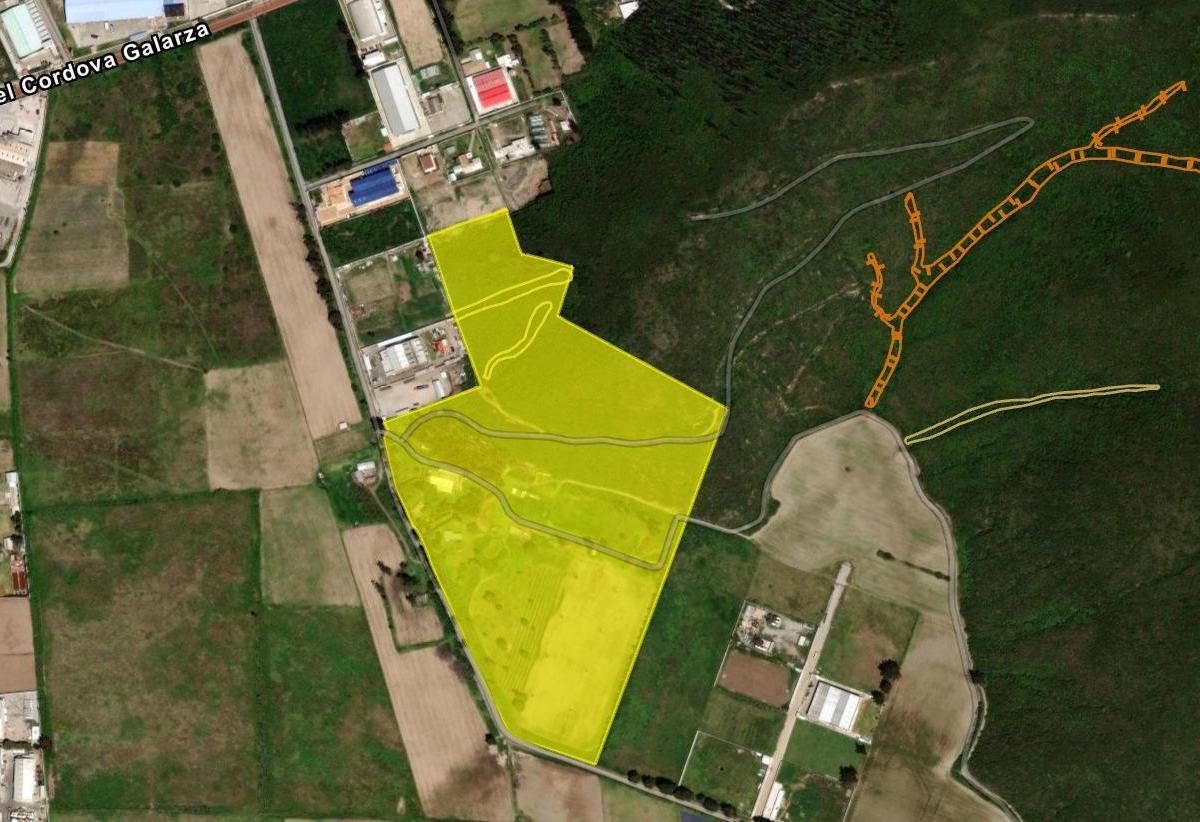
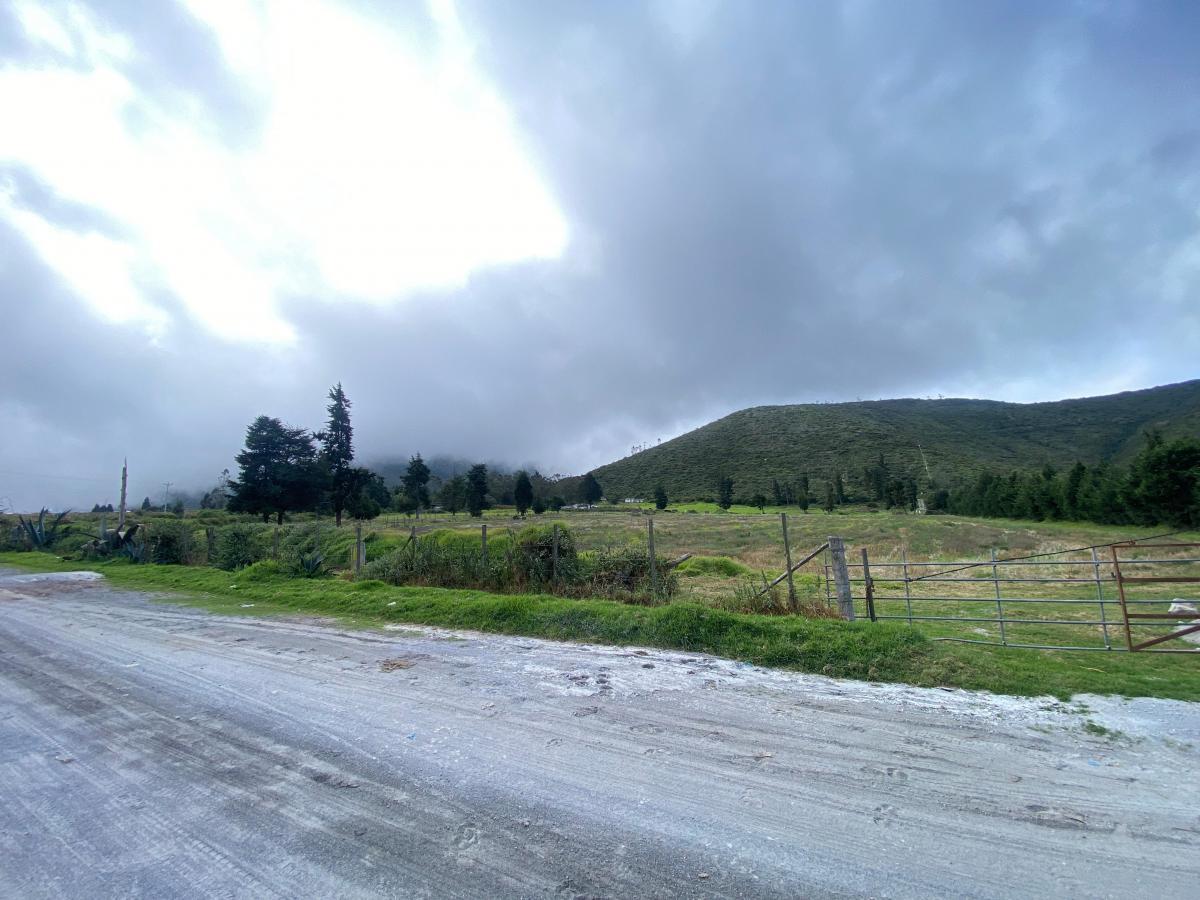
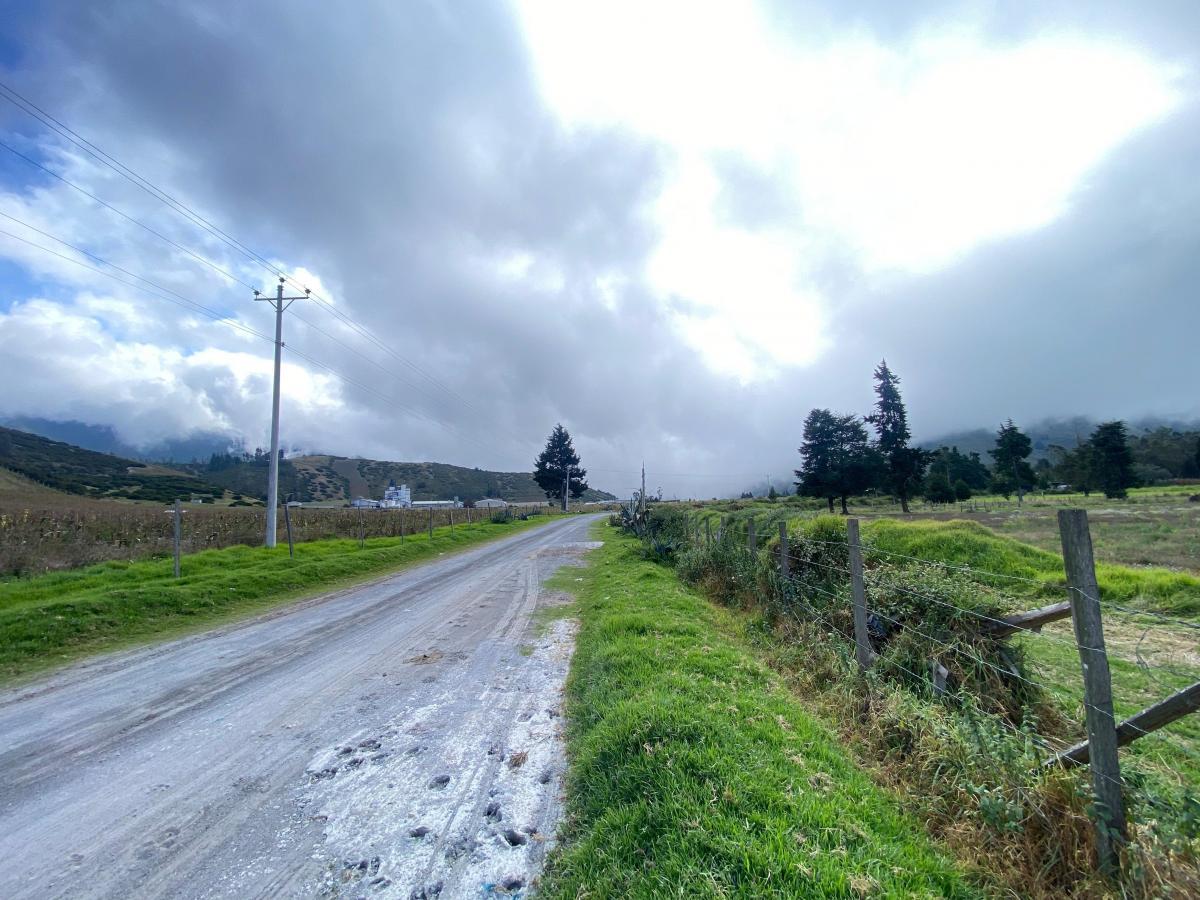
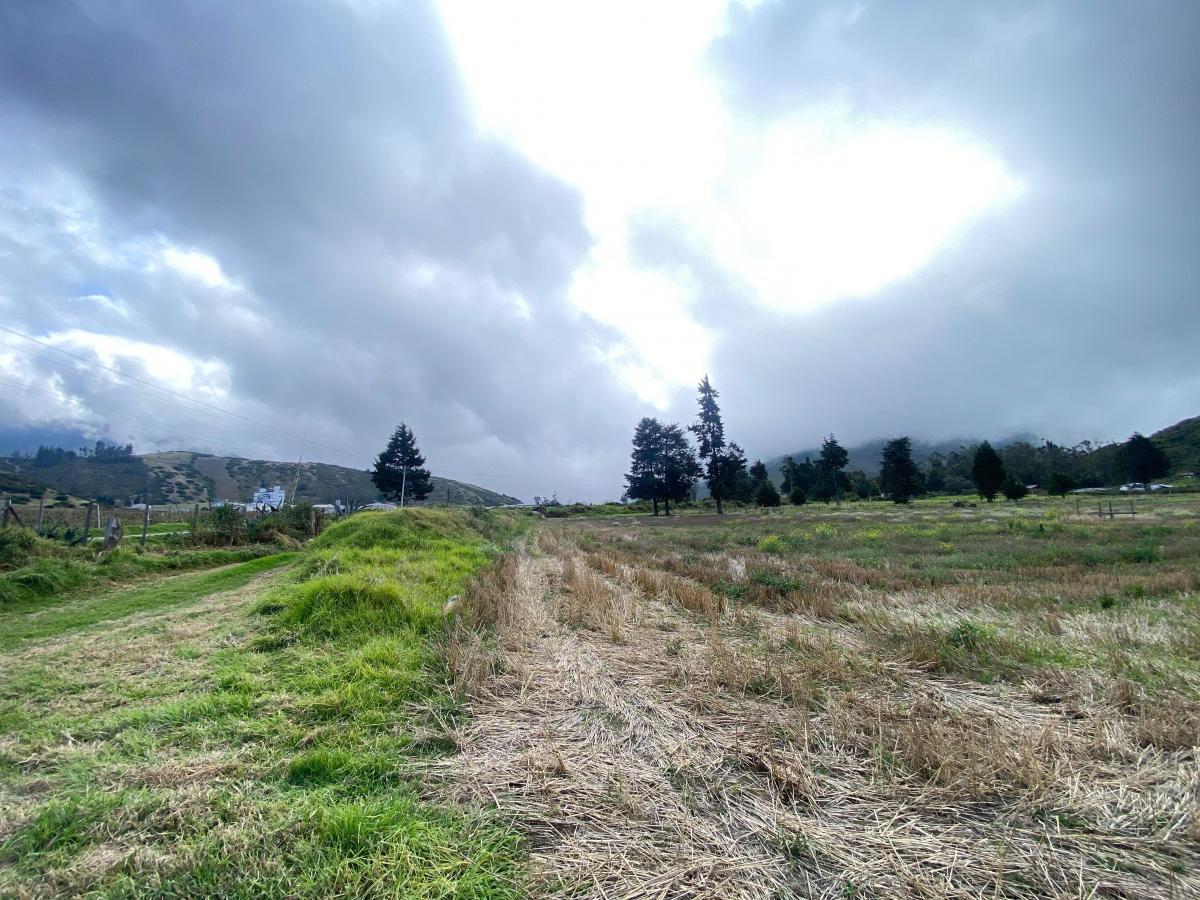
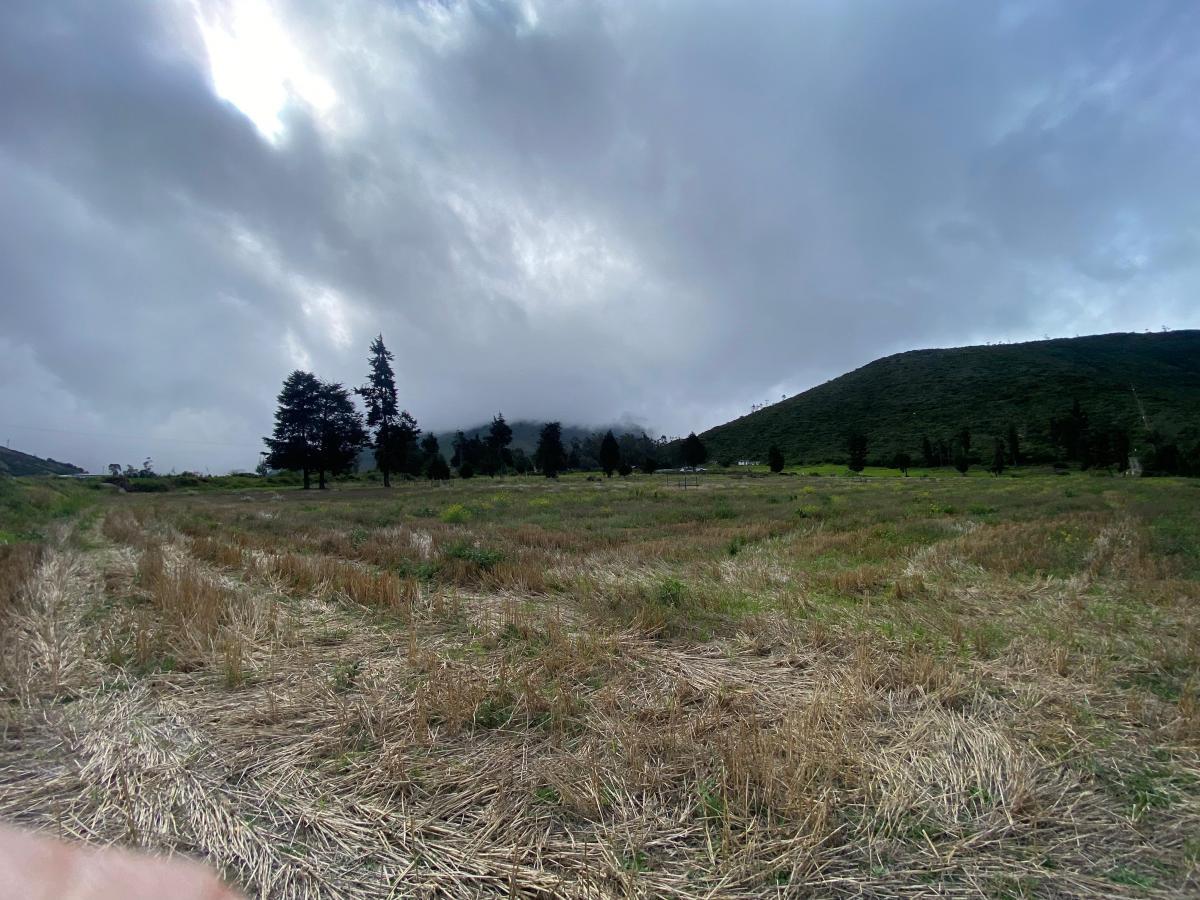
Calacalí is a rural parish that belongs to the Quito canton, in the province of Pichincha, Ecuador. It is located in the northwestern part of the city, approximately 17 km from the historic center, on the eastern slope of the Pululahua volcano. It borders the rural parishes of Guayllabamba, Nanegalito, Tulipe and the urban parish of Calderón. On this occasion, we offer you the opportunity to obtain a macro lot of 14 hectares, of which 8 hectares are flat land with HIGH IMPACT INDUSTRIAL land use (I3) and the rest with AGRICULTURAL land use; fully regularized and ready for the development of an industrial enterprise. It is worth noting that this is the ideal location due to its strategic positioning, with all facilities and services to meet your current and future needs; space size, expansion possibilities, strategic location, transportation accessibility, connectivity, nearby related activities, etc. All these characteristics make it a key factor for your strategy's performance. GENERAL CHARACTERISTICS OF INDUSTRIAL AREA: > GROUND FLOOR COVERAGE: 70% > TOTAL COVERAGE: 280% > MINIMUM LOT: 5,000 > NUMBER OF FLOORS: 4 > SERVICE FEASIBILITY: Yes NOTE: It has electrical infrastructure. With 30 m³ cisterns at level +15.00 sealed. 250 m³ cistern at level +50 open reinforced concrete. SCOPE OF HIGH IMPACT INDUSTRIAL LAND USE (IAI) Under its new nomenclature, according to Metropolitan Ordinance No. 044-2022; it is the use assigned to urban areas where industrial establishments are implanted in which activities are developed that produce combustion emissions, process emissions, noise, vibration and/or solid waste. It is not compatible with residential uses. Its location must be particularized. CHARACTERISTICS OF EXISTING BUILDING: Covered areas: 1,565 m² Comprising residence and warehouse areas. The agricultural area that complements this property has a total of approximately 6.2 hectares which can be converted into a complementary space alongside the I3 industrial development without affecting its occupation. The agricultural space would represent great potential for: - Community recreational areas. - Complementary services with green areas and recreation spaces. - Reforestation nurseries, which could be an ally in conservation of common spaces. Additionally, you could also develop proven crops that can be cultivated such as: Tubers. Cereals. Legumes. Vegetables. Aromatic herbs.
Agent Information
Martha Fernandez
Location
Calacali, Quito, Pichincha